
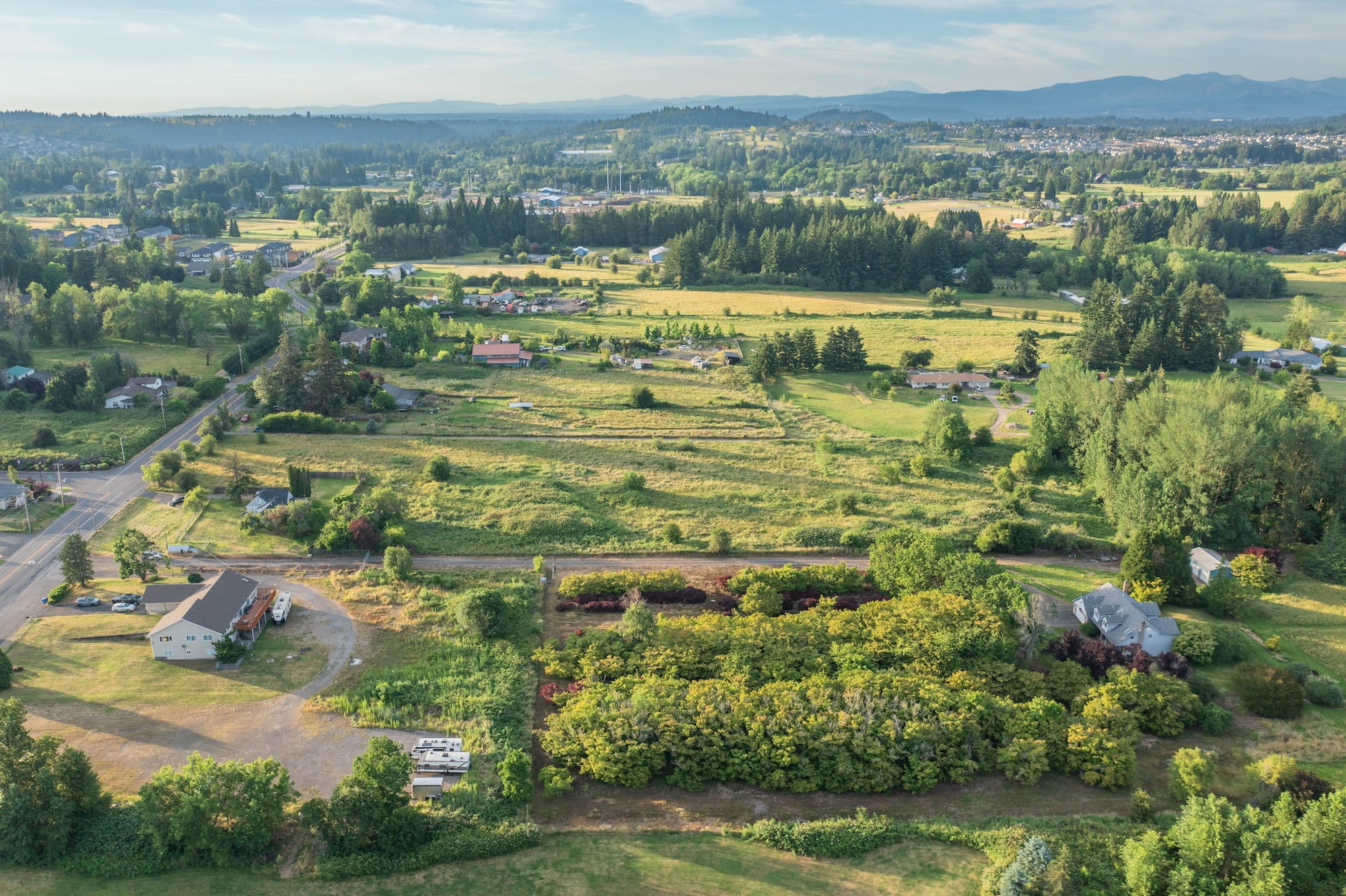
Selling land in Happy Valley starts with understanding what a buyer could realistically do with it. Zoning, sewer availability, access, site conditions, and development costs all affect who will be interested—and what they can afford to pay.
I’m Evan Zener, an Oregon real estate broker with Metro Land Pro at RE/MAX Equity Group. I specialize exclusively in land, helping property owners understand their options, position their property, and connect with qualified buyers.
Whether you own vacant acreage, a home on a large parcel, or property in an area planned for future growth, I can help you evaluate the next steps.
A property can have development potential without being ready for development today. Some sites have access to infrastructure and a relatively clear approval path. Others depend on utility improvements, annexation, additional approvals, or development on neighboring properties.
Those differences matter when deciding how to price a property, when to bring it to market, and which buyers to approach.
My work in the Happy Valley area includes researching zoning and development options, communicating with city staff and utility providers, and working through buyer proposals for development land. I use that research to present the opportunity clearly and identify questions that could affect a sale.
The starting point is understanding the property’s current zoning and what it allows. From there, the question becomes how much development the site can realistically support.
Roads, access, slopes, natural areas, and infrastructure requirements can reduce the usable area or increase costs. A zoning designation alone does not tell you how many homes or units will ultimately be feasible.
For properties near the city boundary, I also look at jurisdiction and whether the applicable long-term plans differ from the property’s current zoning.
Sewer is an important part of evaluating development land in this area. The questions go beyond whether a line is nearby: Is there capacity? Can the property connect by gravity? Would an extension, easement, or pump system be needed?
The answers can affect development costs, buyer interest, and the timing of a sale. Planned improvements may create future opportunities, but their benefit needs to be evaluated for the individual property.
A driveway serving an existing home may not provide suitable access for a larger development. Buyers may need to account for frontage improvements, internal streets, emergency access, or connections to surrounding properties.
Slopes, creeks, wetlands, and protected areas can also influence the layout and cost of a project. Understanding these conditions early helps establish a more realistic picture of the opportunity.
Development potential only translates into value when a buyer can make the project work financially.
Builders and developers consider what the finished homes or units could sell or rent for, the cost of development, the approval timeline, and the risk involved. The best buyer for one property may be very different from the best buyer for another.
Clackamas Water Environment Services is planning an extension of the Rock Creek Interceptor north and east from the SE 172nd Avenue and SE Troge Road area. The project is intended to add sewer capacity and improve service for portions of Happy Valley and the Pleasant Valley/North Carver planning area.
As of October 2026, the WES project page anticipates completion by 2028 and identifies downstream capacity upgrades as a dependency. That is a projected schedule, rather than a confirmed service date for every nearby property.
For landowners, the practical questions are whether the project could serve their parcel, what additional improvements would be needed, and how the timing fits a buyer’s development plans.
View the WES Rock Creek Interceptor Extension project
Happy Valley’s adopted Pleasant Valley/North Carver Comprehensive Plan covers approximately 2,700 acres along the city’s eastern side. It establishes a long-term framework for housing, employment, transportation, parks, and other uses.
The City expects development across the area to take place over decades. For an individual property, the relevant questions include its current jurisdiction, applicable zoning, infrastructure availability, and the steps required before development could proceed.
Being included in a long-term plan is a reason to investigate a property’s potential. It does not establish when the property will be ready to develop.
Explore the Pleasant Valley/North Carver Comprehensive Plan
I review zoning, access, utilities, site constraints, and available property information to understand what may affect value and marketability. Where needed, I contact city staff and utility providers to clarify important questions.
That work helps shape the pricing strategy, property presentation, and buyer outreach.
I prepare property marketing around the information land buyers need to evaluate an opportunity. Depending on the property, that can include aerial photography, maps, development information, and a detailed property package.
Along with listing exposure, I reach out directly to builders, developers, investors, and other buyers whose interests fit the property.
Price is one part of an offer. Buyer qualifications, feasibility periods, approval contingencies, earnest money, extensions, and closing timelines also affect the strength of a proposal.
I help sellers compare those terms and stay involved as the transaction moves through due diligence and toward closing.
It depends on what a developer could build and what it would cost. A home on a large lot may still sell for more to a homebuyer, particularly when development costs leave too little money available for the land.
I help owners consider both possibilities before choosing how to market the property.
That depends on the expected improvements, their timing, and what buyers are willing to take on today. Selling before infrastructure is available may mean reaching a different group of buyers or accepting a longer transaction timeline.
The decision should reflect your goals as well as the property’s development prospects.
Not necessarily. Some buyers prefer to pursue approvals themselves. In other cases, additional research or preliminary planning may help clarify the opportunity before marketing begins.
The right amount of preparation depends on the property, the cost of that work, and whether it is likely to improve the outcome.
Tell me a little about your property and what you’re considering. The more detail you include in the form, the better I can prepare.
Once submitted, I’ll take an initial look and follow up by email to schedule a time to talk.